Working waterfronts are Maine’s heritage
& its future.

Much of what we love about Maine is our rugged coast and its hardworking, historic communities. Of Maine’s 3,400 miles of coastline, the working waterfront has been whittled down to just 21 miles.
Our goal at our Yarmouth property, as well as across the State, is to protect this unmatched resource for all future generations —to educate, improve, and amplify the many opportunities working waterfronts create for the individual, a family – and for their local community as a whole.
Our core values
Collaborative Community

We help waterfront stakeholders connect, collaborate, and work better, together.
From sea farmers, to boatbuilders, from general marine services to innovative solution providers — every working waterfront stakeholder has different operational needs and their own unique approach to success.
The sharing and application of this knowledge and experience between all stakeholders — is the strength of our model.
Fostering Opportunity

Building and stewarding equitable access to working waterfronts is a driving mission at Sea Meadow, at our Yarmouth location, and across the State of Maine.
Whether for science, education, youth programming, the marine trades or aquaculture businesses, we invite all at Sea Meadow and believe the best path to ensuring the blue economy survives —is to give it a place to thrive.
Regeneration & Innovation

While Maine’s heritage is anchored in generations of people working on the waterfront, we intend to continue that tradition — while looking to improve upon it for the future generations.
From supporting our tenants and local organizations that are working to reduce our collective footprint, to engaging with stakeholders and innovators across the State to improve methods, equipment and direct outcomes.
Aspirational Modeling

Every day we wake with a clear understanding of the responsibility we have; to inspire others and the industry we love.
We are committed to providing a profound example of how future working waterfronts can be shaped, optimized and managed — and how through community, collaboration and conviction — we can affect change and create opportunity for all.
your support
is what fuels
our work.
Donate Today
Our History
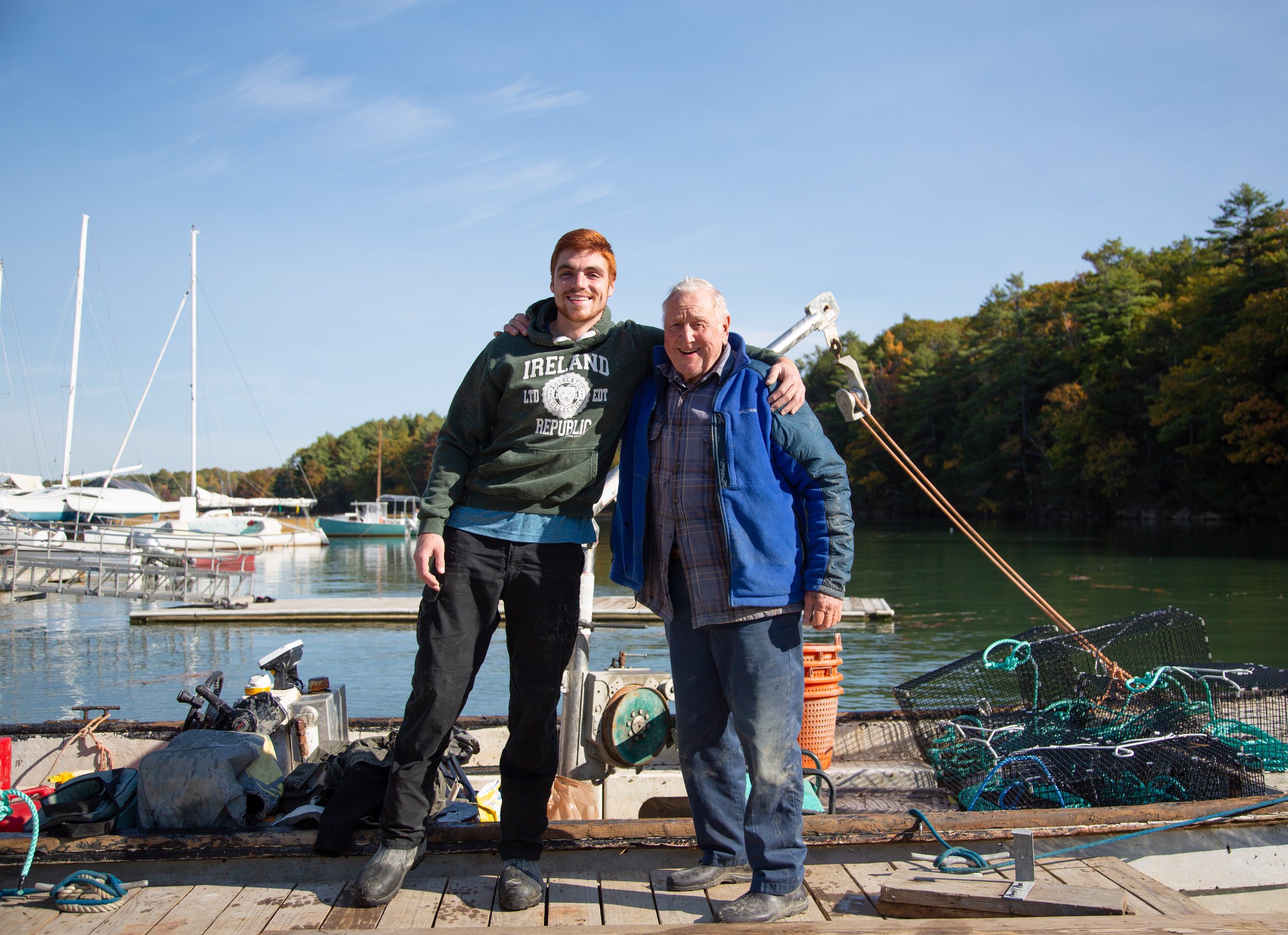
This area is within the homeland of the Abenaki Nation. In the 1960’s the property became the site for the Lowell family lobster boat building business, and then the Greene family established their shop in 1980, building world-class trimarans. In December of 2021 Sea Meadow Marine Foundation received a USDA loan via Coastal Enterprises, Inc., and acquired the parcel to protect this working waterfront for our community.
The Crew
-
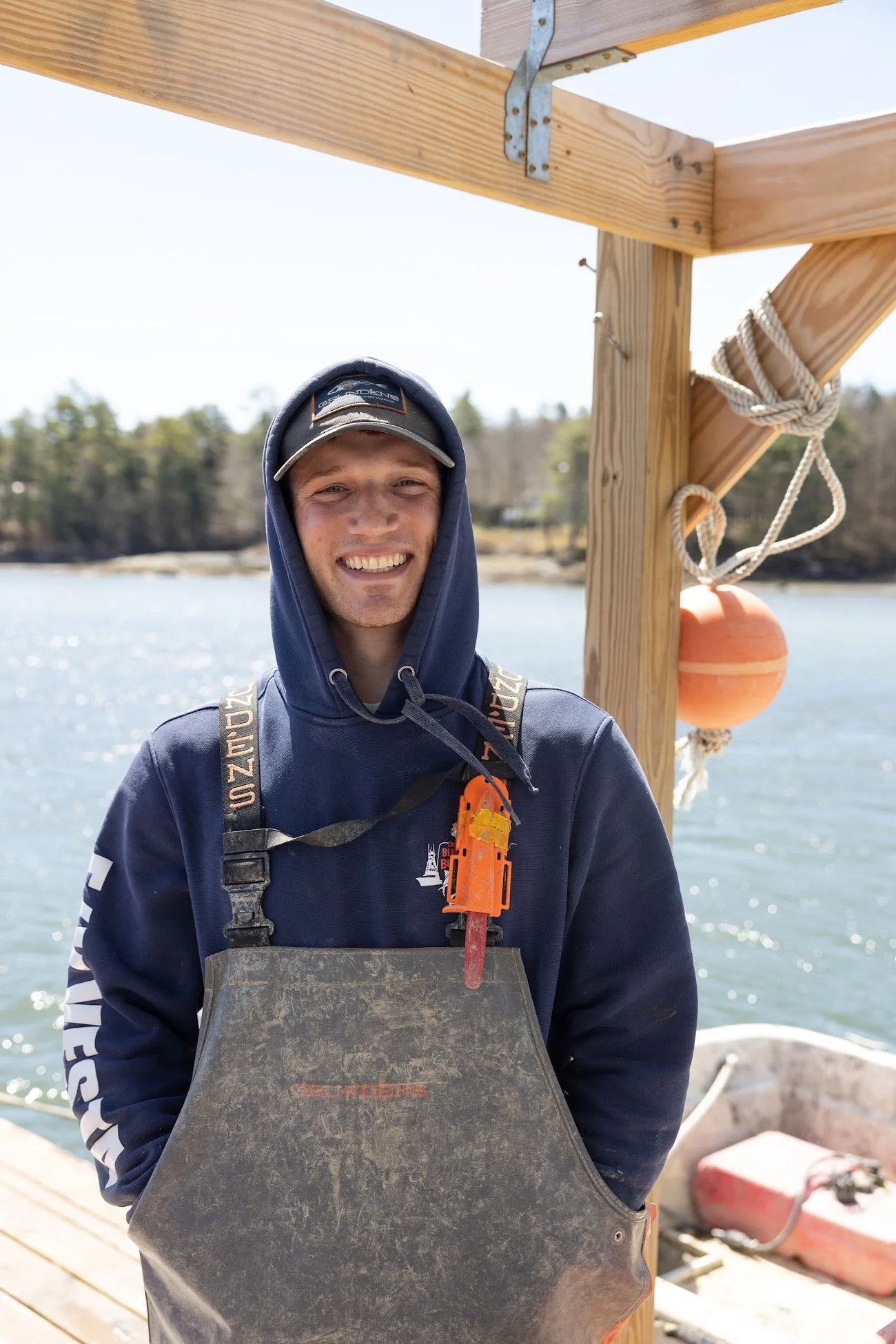
Max Burtis
Max grew up digging clams in Brunswick, Maine. In 2018, he co-founded Bombazine Oyster Company to diversify his income from wild harvesting. He received a BS in Mechanical Engineering from the University of Maine in 2022 and since then, has been investing in growing his oyster farm. Max believes protecting and supporting working waterfronts will ensure the viability of the shellfish industry amid changing economic and environmental conditions.
Photo Credits: Justin Smulski
-
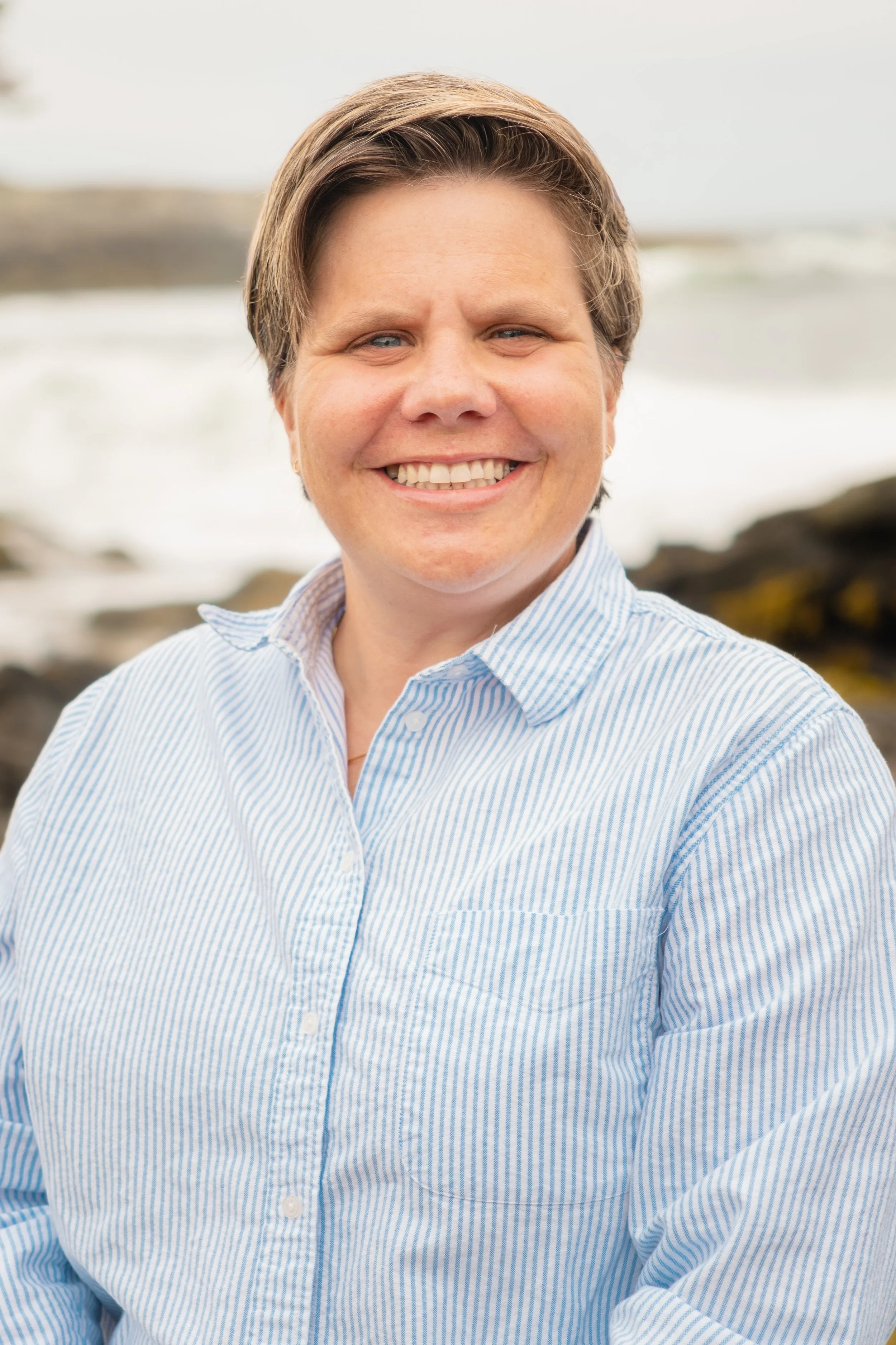
Ashley Kirzinger
Ashley can often be found in or near the cold waters of Casco Bay. An avid swimmer and cold water enthusiast, she has recently embarked on the new adventure of oyster farming. Her day job is conducting research for a non-profit organization aimed at explaining the country’s health care system. In both her day job and her water adventures, she is committed to amplifying and highlighting the voices of people who have been historically absent from these communities.
-
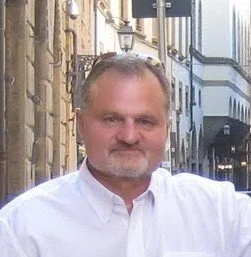
Gerry Hamann
We’re excited to welcome Gerry Hamann as our new General Manager at the working waterfront, overseeing daily operations and facility maintenance as we continue to grow. Gerry comes from the corporate manufacturing world and has owned several businesses, primarily in the building industry bringing strong expertise in construction and leadership.
-
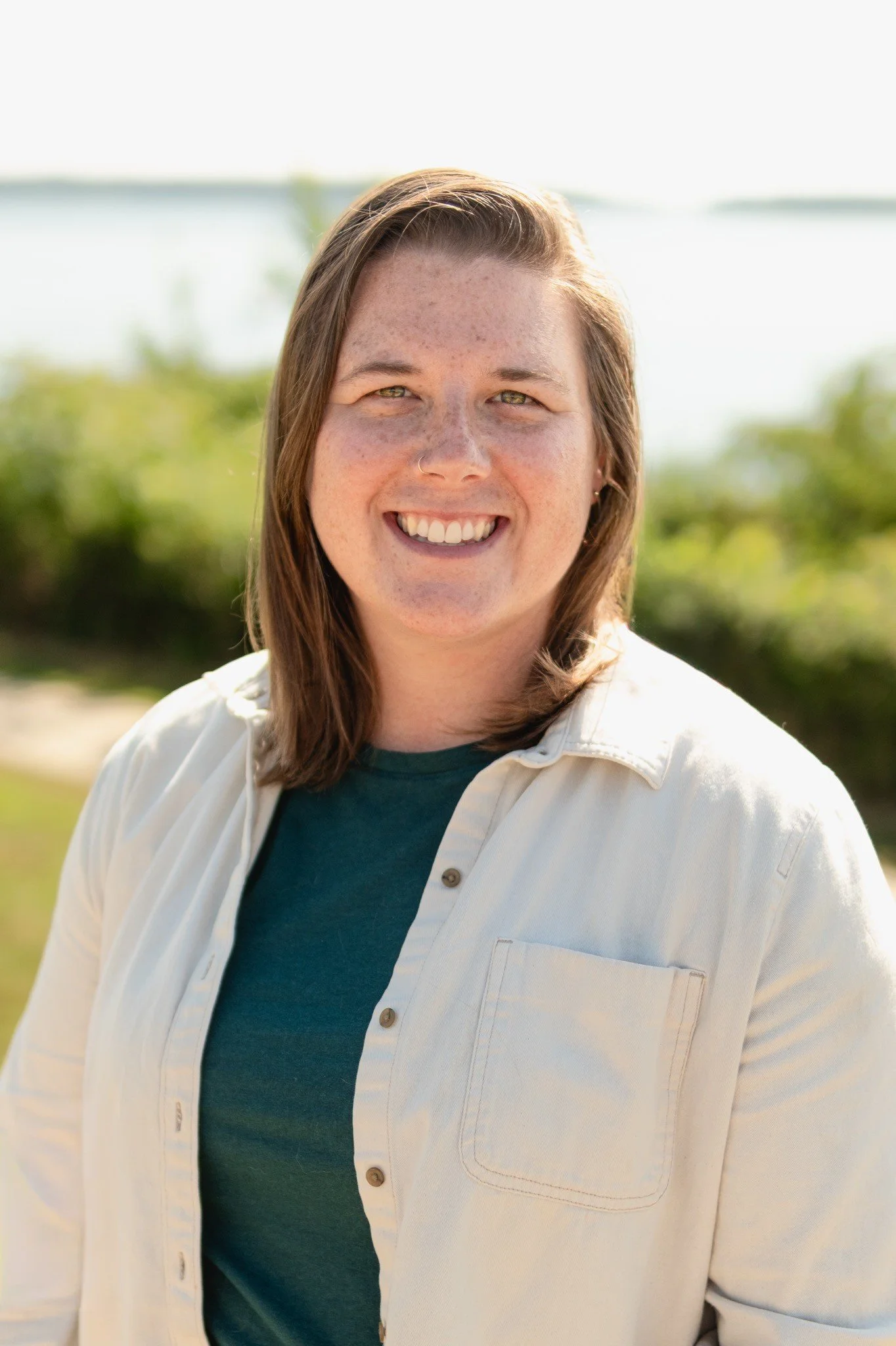
Caitlin Hopkins
Caitlin Hopkins is a conservation and aquaculture professional dedicated to strengthening Maine's coastal communities and working waterfront. She previously served as Project Manager for Maine Farmland Trust, where she managed complex land conservation transactions and built collaborative relationships with farmers, landowners, conservation partners, and public agencies.
Caitlin currently serves as Farm Manager at Little Busters Oyster Farm, overseeing daily aquaculture operations, and is Co-Founder of Two Maine Mermaids, a business focused on connecting women to the water. She also works part-time with Friends of Casco Bay and Cedar Grove Sauna, reflecting her commitment to environmental stewardship and community engagement.
With experience spanning conservation, nonprofit project management and strategic planning, and aquaculture, Caitlin brings a collaborative leadership style, operational expertise, and a passion for building partnerships that support resilient communities and sustainable natural resource management.
-
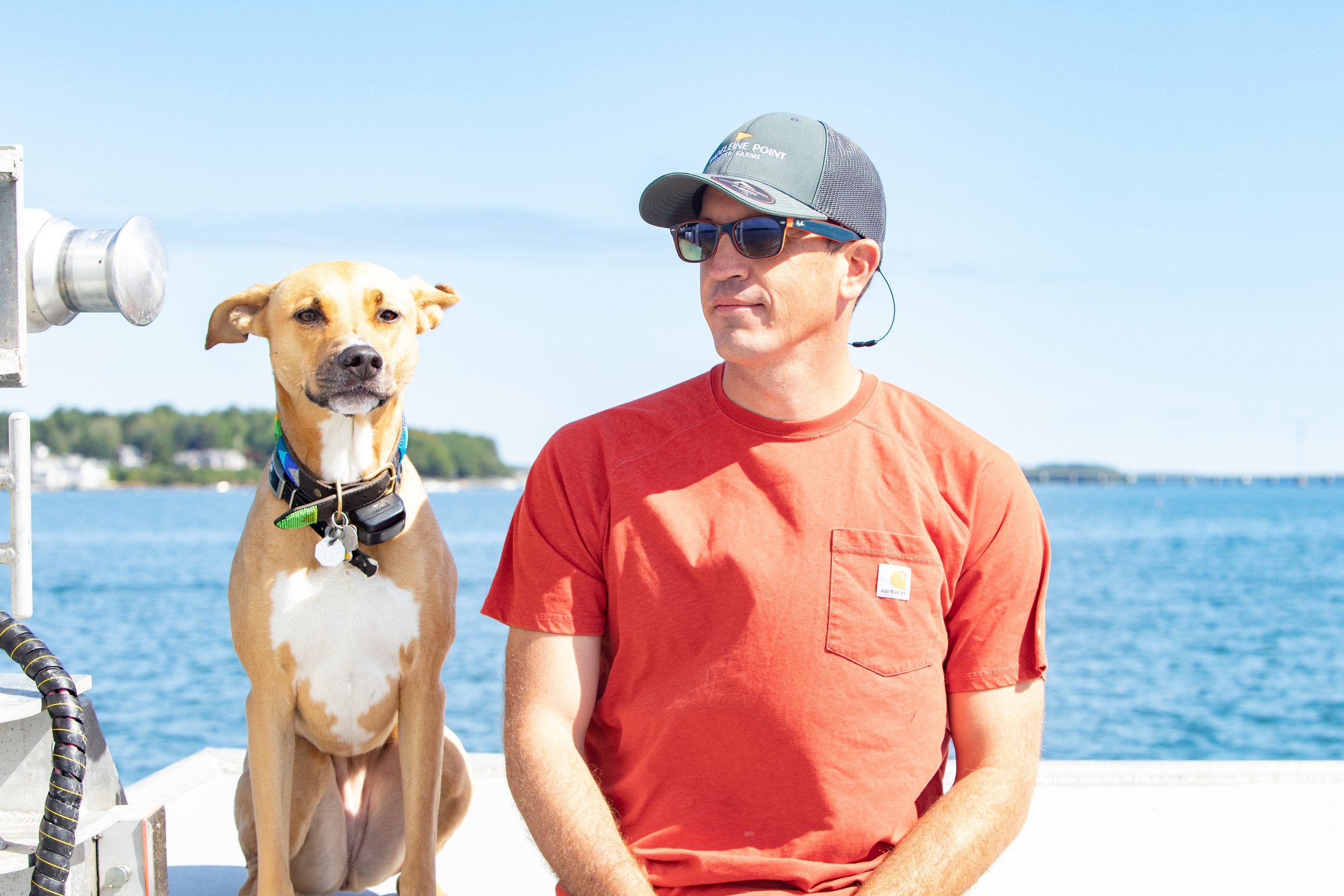
Nick Planson
Nick grew up in New Gloucester, Maine, and worked in leadership capacities at renewable energy startups and utilities across the country, and in international IT sales to humanitarian organizations. He has volunteered with Empower Generation, Amigos de las Americas, Engineers without Borders, The Manna Energy Foundation, and several gun safety and anti-racism groups.
Photo Credit: Jack Sullivan, Island Institute
-
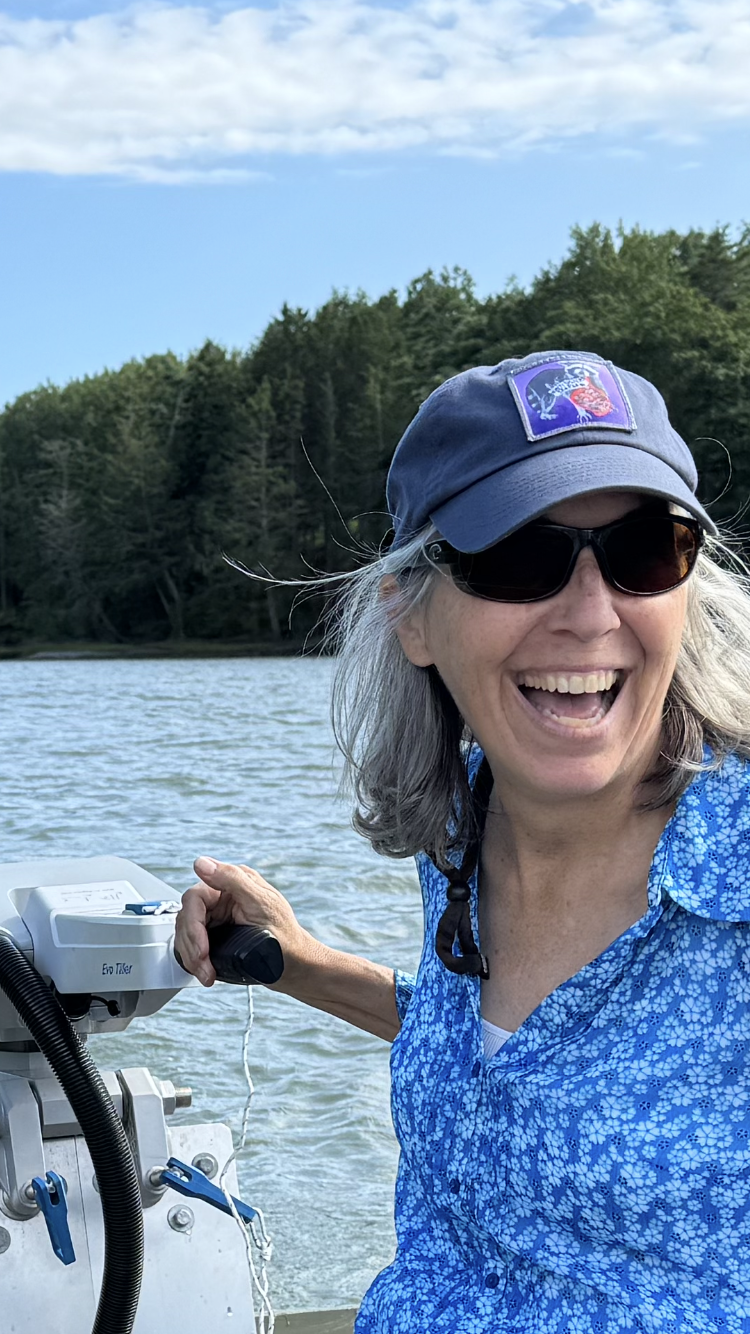
Rebecca Rundquist
Rebecca has taken on the role of Program Manager for Sea Meadow. As a co-founder she is excited to implement opportunities for communities to connect to our mission and is dedicated to catalyzing inspiration, solutions, hope, and connection down by the water.
-

Taja Sims-Harper
Taja is a doctoral student in the marine biology Ph.D. program at University of New Hampshire (UNH). Originally from Oakland California, Taja earned her bachelor’s degree in marine biology with a minor in fisheries science from the University of Maine. At UNH her research focuses on microplastics in shellfish and other living and non-living resources in specific bays and estuaries of the northeast, in the lab of Dr. Bonnie Brown, professor of ecological genetics and the chair of the department of biological sciences. After graduating, given her interest in multitrophic systems, Taja would love to be an oyster and kelp farmer. Eventually, she would like to tie in her love for farming and marine biology to bridge a gap between educating underrepresented groups, by creating a program to expose young minds that may not otherwise have the opportunity, to gain an interest in this field- putting a real emphasis on opening doors and creating pathways for young women of color to expand their horizons in the field of marine science and aquaculture.
-

Chad Strater
Chad has been working on the waterfront for 20 years in many capacities. His experience as a small business owner ranges from building docks, piers, and seawalls, to planting trees, laying walkways, and designing patios. Building his business and working hard has led him to work with a diverse array of people. Chad moved to the Midcoast in 1999 from Greenville, Maine and lived in various harbors within the small communities at the ends of Maine’s many peninsulas over the years.
Photo Credit: Molly Haley
-
Bruce Ward
Bruce Ward is a civil and structural engineer with over 41 years of experience in public works, pulp and paper, and power generation projects. He holds a B.S. in Civil Engineering from the University of Maine (1975) and an M.S. in Structural Engineering from Lehigh University (1981), where he also conducted research on fatigue and fracture of welded metal bridge structures. His expertise spans airport and municipal master planning, stormwater management, sanitary sewer design, and the structural design of buildings from 2 to 40 stories in Maine and Texas. Bruce has led engineering and design for air quality control systems in major utility power plants across the U.S., developed and managed a 32-person industrial structural engineering group, and served on the board of a 750-person consulting firm, guiding its organizational integration. He is a licensed professional engineer in five states.
-
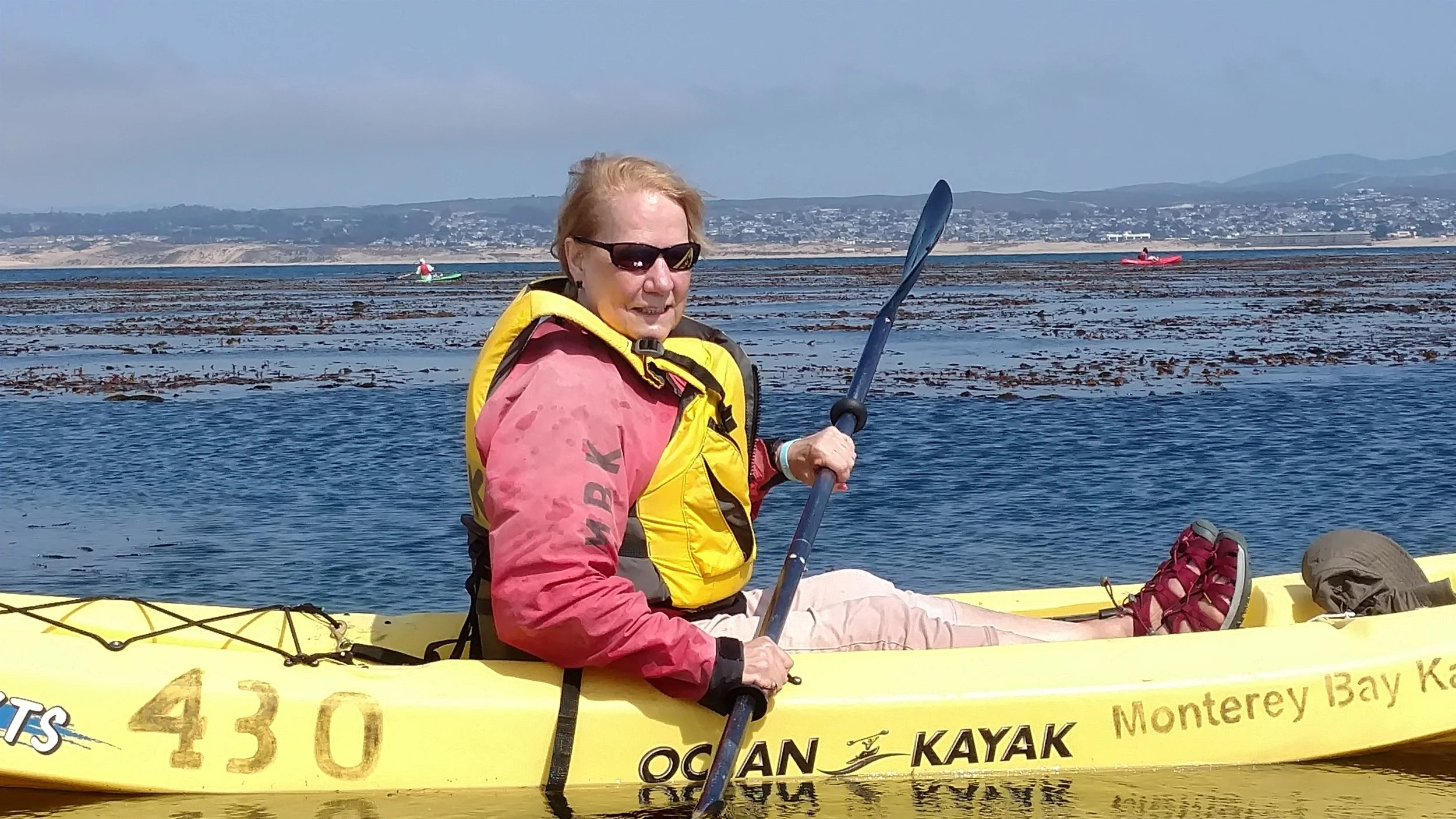
Suzanne Watson
Suzanne brings more than forty years of experience in energy policy, economic development, and nonprofit leadership to the Sea Meadow board. She currently serves as Executive Director of Meetinghouse Arts in downtown Freeport, Maine, a nonprofit dedicated to making the Greater Freeport area a vibrant hub for arts and culture through creative collaboration and expanded access to cultural resources. A graduate of Bowdoin College, she holds a JD and an LL.M. from the University of New Hampshire School of Law. Over her career she has held senior policy and legal roles at the state, regional, and national levels, including with the State of Maine's Department of Environmental Protection, the Northeast States for Coordinated Air Use Management (NESCAUM), the Northeast-Midwest Institute, and the American Council for an Energy-Efficient Economy (ACEEE), where she served as Director of Policy.
-
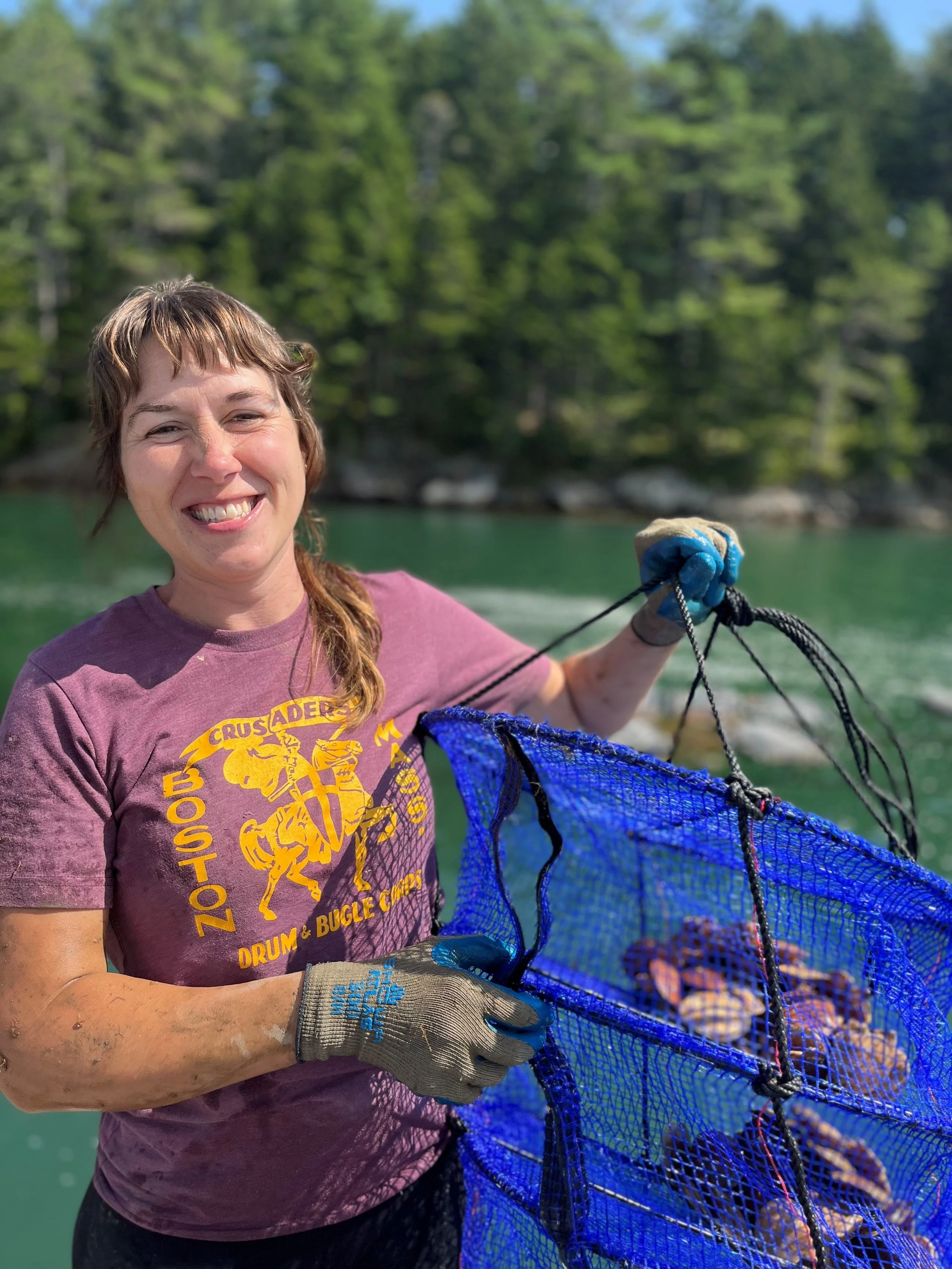
Emily Whitmore
Emily Whitmore is a social scientist and Associate Director of the Maine Aquaculture Innovation Center. Her research focuses on public perceptions of aquaculture, social license to operate, and, more recently, aquaculture farmer experiences with climate change and ocean acidification. Although her research focuses on aquatic food systems, Whitmore is a land-based farmer in Hollis, Maine. She earned her Ph.D. from the University of New Hampshire.